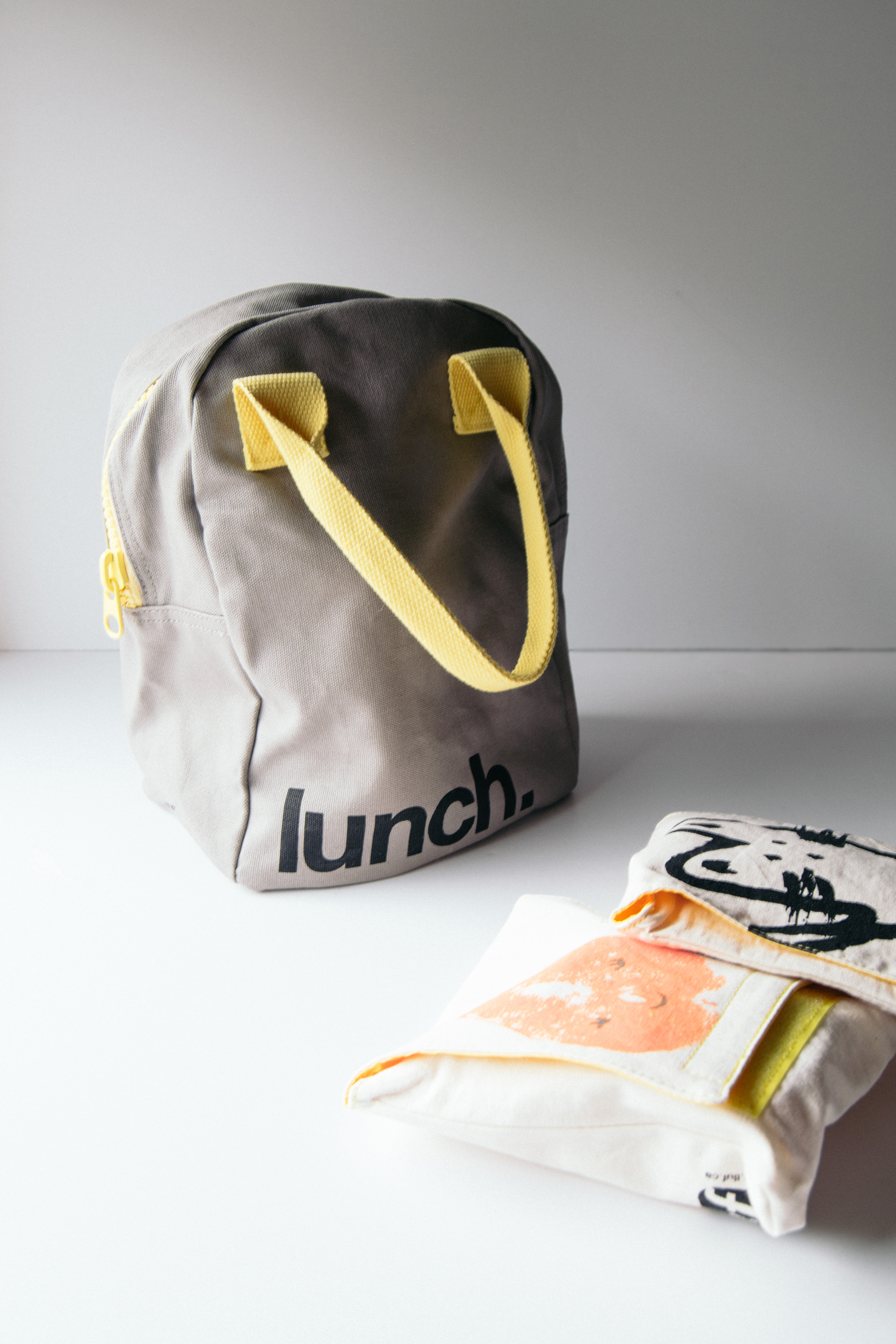
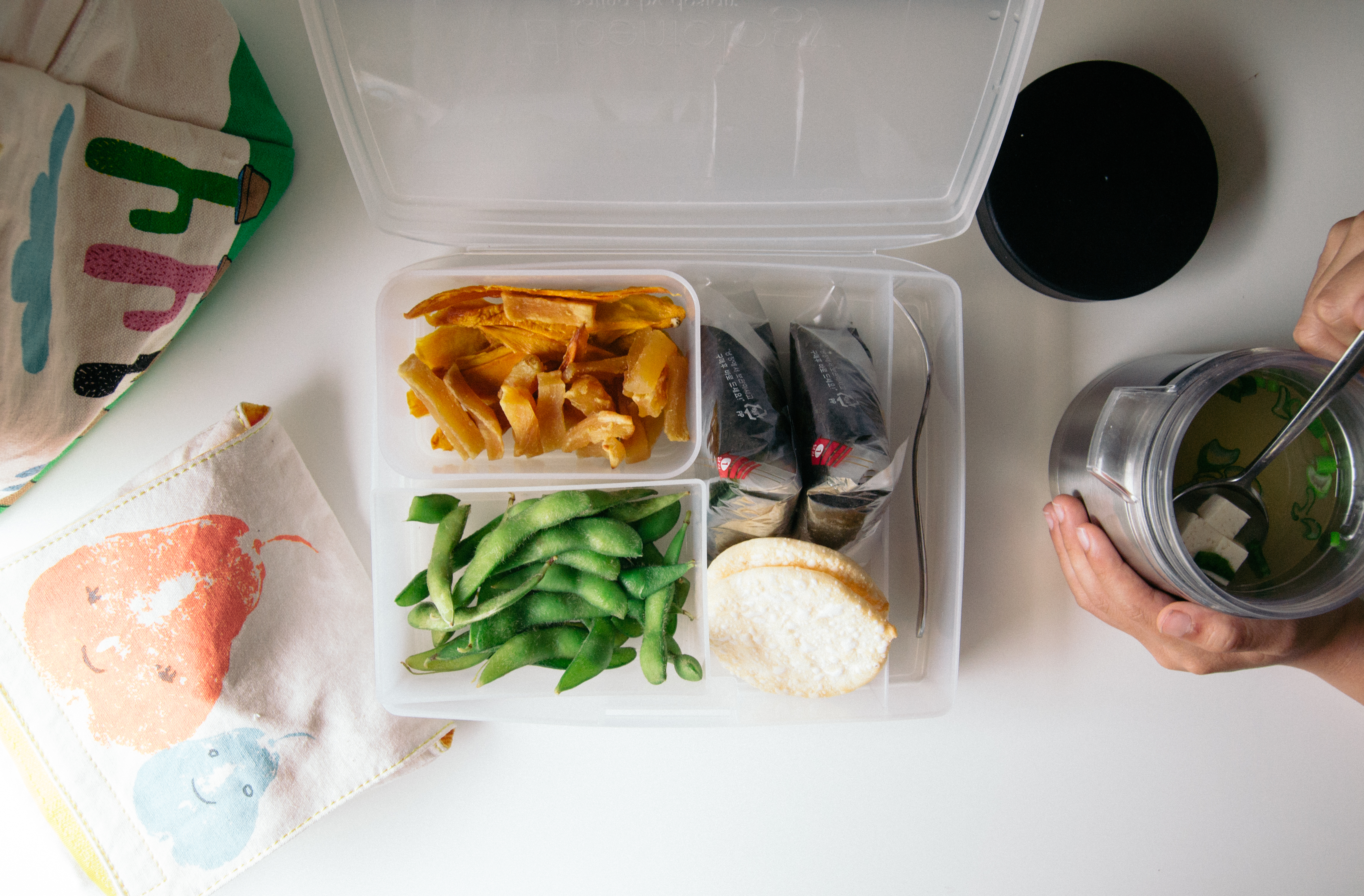
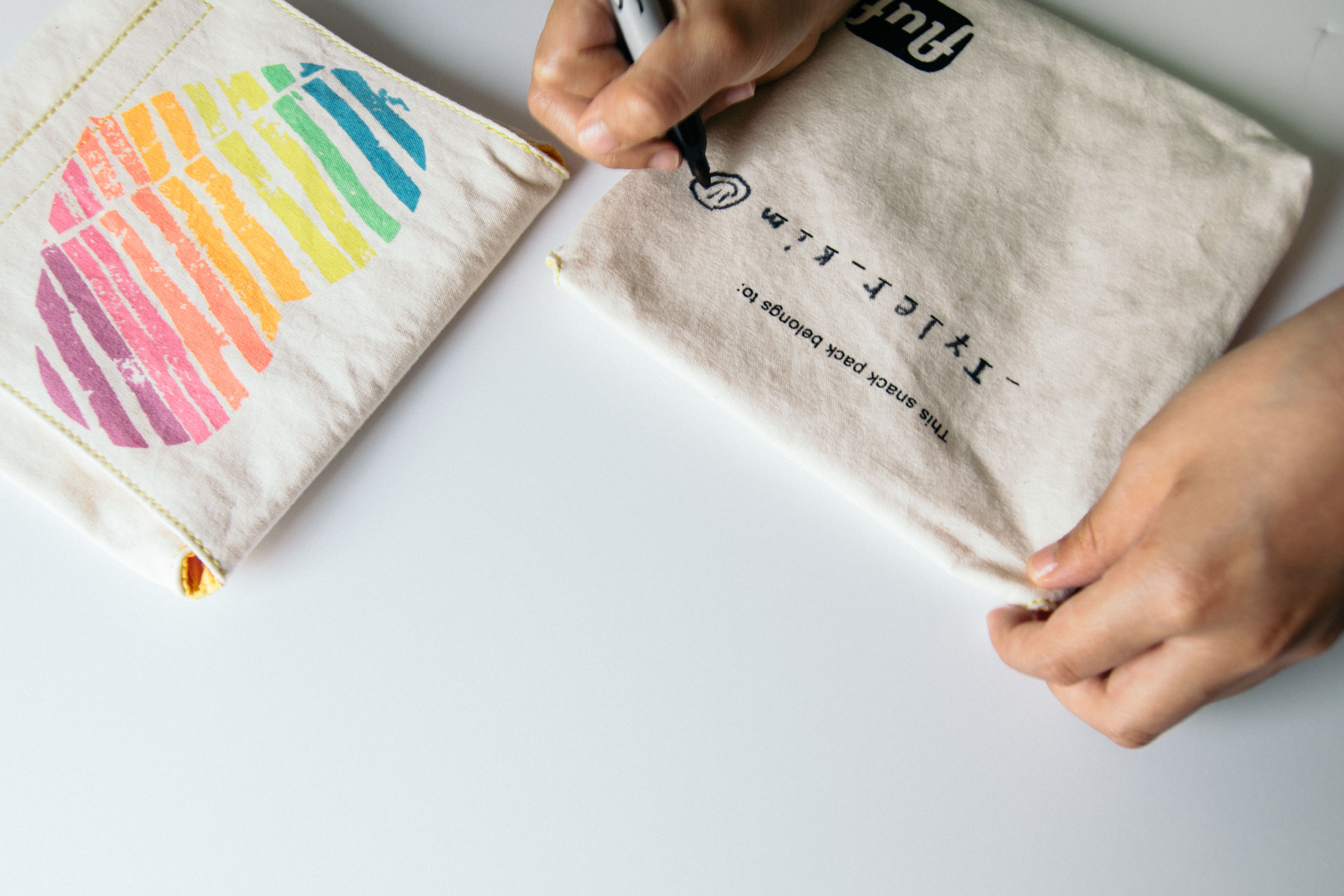
My day usually starts with packing lunch. I’m sure it’s a similar scene in any household with kids. Nothing makes me happier seeing empty containers come back from school. So I try to pack things that kids love, enough portions to keep my active boys energized throughout the day. Dried fruits and vegetables, seaweed wrap triangle gimbap (aka. Onigiri) and warm miso soup are just few of our favorite lunch menu on rotation. A good friend of mine, also a owner of Ziraffe, a minimalistic, chic kids online clothing store introduced me to these sustainable lunch and snack bags. It makes early morning packing bit more enjoyable and kids off to school stylin’ in their lunch bags! Check out the recipe for Teriyaki Salmon Triangle Gimbap below and links to useful resources. Enjoy!
Teriyaki Salmon Triangle Gimbap (데리야끼 연어 삼각김밥) – pack of 2
INGREDIENT
200g salmon (1 individual serving of cut salmon)
2 cups cooked rice
2 seaweed wraps – Triangle Gimbap Kit (see useful sources below)
1 tsp sesame oil
pinch salt
pinch sesame seeds (toasted and ground)
TERIYAKI SAUCE
2 tbsp soy sauce
2 tbsp plum extract
1 tbsp mirin (cooking sake)
1 tsp honey
PREPARATION
Prepare rice by seasoning with little bit of salt, sesame oil and sesame seeds. Mixing the rice (brown and sweet rice) makes it stickier and helps to stay in shape when molded into a triangle. Prepare teriyaki sauce by mixing soy sauce, plum extract, mirin and honey. If you don’t have plum extract, use little bit of sugar or more of honey. Pre-season the salmon with salt, pepper and drizzle extra virgin olive oil to bake.
COOKING INSTRUCTION
1. Bake salmon in the oven at 425 for about 15 mins. After 20 min, brush on or pour the teriyaki sauce over the salmon then bake it for another 5 mins. I also let the salmon sit in the oven for few more minutes after turning the heat off so it will cook thoroughly inside. Crush them into smaller chunks for the gimbap filling. NOTE: you can cook the salmon ahead of time if you are packing for the lunch next day.
2. Fill the triangle mold halfway with rice, add teriyaki salmon filling then add more rice on top to cover up. Press down tight then flip over to release the rice mold.
3. Follow the instruction on the seaweed wrap kit to wrap. NOTE: make sure the sticker seal is lined in the middle so it would be easier to unwrap. Wrap has written instruction for unwrapping and comes in plastic peel to keep the seaweed from getting wet. Stays nice and crunchy.
USEFUL SOURCES
Fluf – 100% Organic Cotton Machine Washable Zip Lunch Bag / Lunch
Triangle Gimbap Kit – 2 pk of Seaweed Wraps, + Triangle Mold
Plum Extract for Sweetener
All Photography by Selina S. Lee
This post is in partnership with Ziraffe, all thoughts and opinions are my own.
 Photography by Selina S. Lee